Idu Mishmi people
An ethnically distinct group in Arunachal Pradesh known for their shamanistic faith, unique textiles, and a deep-rooted belief that tigers are their kin.
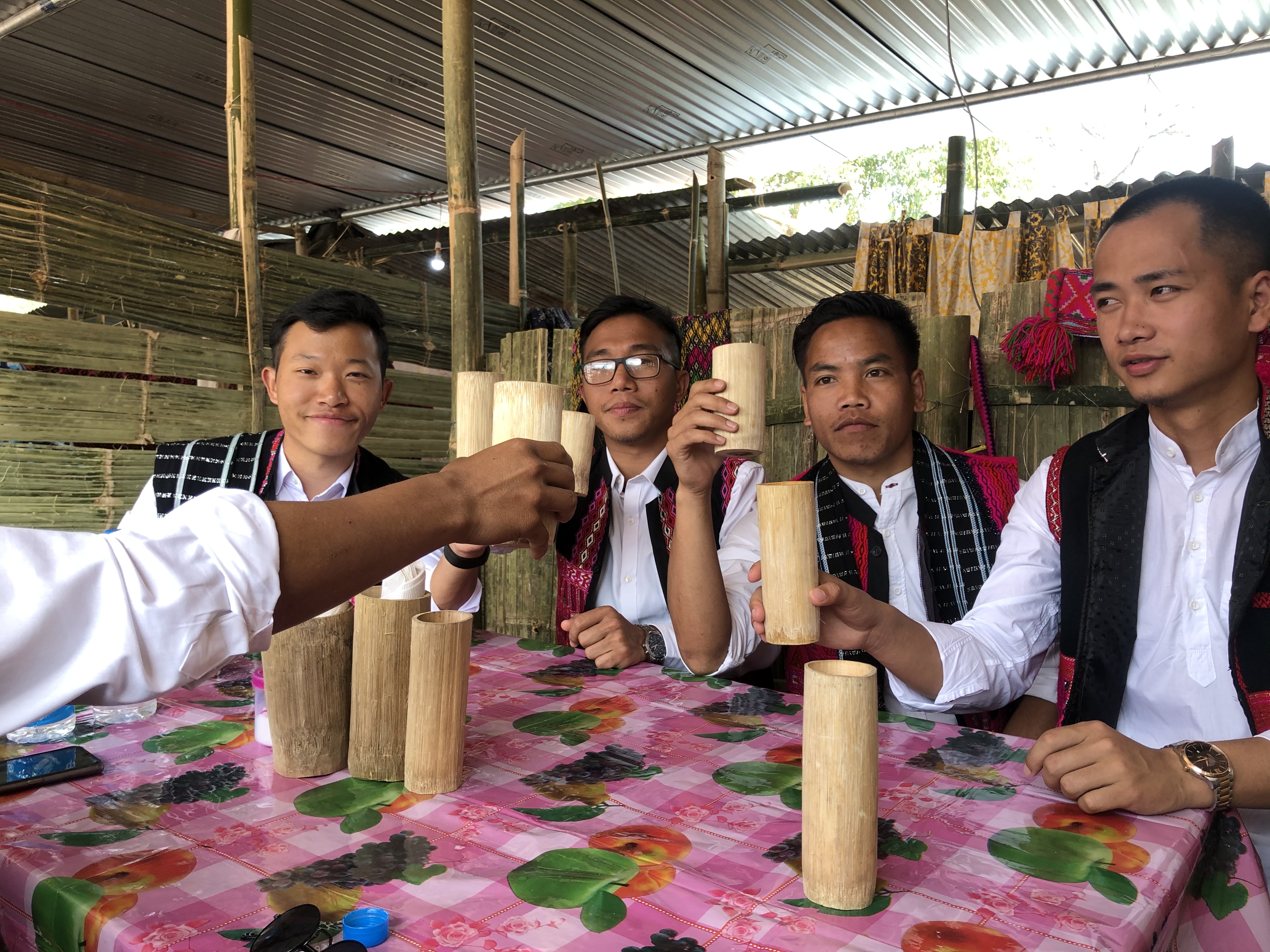
In a bamboo stilt house darkened against the mountain sun, the air thick with the scent of woodsmoke and fermented rice beer, an Igu chants. He is a bridge between worlds, a spiritual healer for the Idu Mishmi community. His voice rises and falls, narrating epics of creation and migration, summoning spirits to diagnose an ailment or bless a new harvest. To witness this is to touch the spiritual core of one of Arunachal Pradesh's most fascinating communities, for whom the unseen world is as real as the forested slopes of the Dibang Valley they call home.
The Idus are one of three sub-groups of the larger Mishmi population, alongside the Digaru (Taraon) and Miju (Kaman). They believe their ancestors migrated from Tibet. Concentrated in the Dibang Valley and Lower Dibang Valley districts, their culture is intrinsically linked to the forbidding, beautiful landscape of plunging gorges and dense cloud forests.
History & Context
According to their rich oral history, passed down through generations by priests and shamans, the Idu Mishmi trace their lineage back to a single ancestor. They are ethnically and linguistically distinct from their Digaru and Miju neighbours. Their language, also called Idu, belongs to the Tibeto-Burman family and is considered endangered by UNESCO, spoken by a relatively small population. Historically self-sufficient, their society has always revolved around the twin pillars of kinship and the shamanic belief system, with the Igu holding a central role not as a ruler, but as a vital spiritual guide.
What Makes It Distinctive
The most profound aspect of Idu Mishmi culture is their relationship with the tiger. They believe they share a common ancestry with the great cat, making it their elder brother. This sacred bond translates into a strict, community-enforced taboo against hunting tigers, a traditional conservation ethic that has made the Dibang Valley a crucial and surprisingly safe habitat for the species. This belief is not mere folklore; it shapes their interaction with the forest and is a powerful expression of coexistence.
Equally distinctive is their material culture. Idu weaving is renowned for its quality and symbolic patterns. Men and women wear striking black coats—athupre—woven from nettle fibre and cotton, adorned with intricate geometric designs in red and white. These patterns are not just decorative; they can signify social status, clan, and mythological narratives. Both men and women traditionally wear their hair in a similar fashion: cut short at the front and sides, with the longer back portion tied into a knot.
Best Time to Visit
The ideal time to experience the culture is during the Reh festival, their most significant community celebration. It is primarily celebrated on the 1st of February, though associated rituals can span several days.
- January to March: The weather is cold and dry, especially in higher-altitude areas like Anini. This period is perfect for attending the Reh festival. Days are generally clear, offering good views of the mountains, but nights are frigid.
- April to June: The pre-monsoon season sees rising temperatures and occasional showers. The landscape becomes lush and green.
- July to September: The monsoon season makes travel extremely difficult. Roads can become impassable due to landslides, and much of the region is cut off. Travel during this time is not advised.
- October to December: Post-monsoon, the air clears up, and the weather is pleasant. This is another excellent window for trekking and general exploration, with vibrant green landscapes and clear skies.
How to Reach
Roing, the headquarters of the Lower Dibang Valley, is the primary gateway to the Idu Mishmi heartland.
- By Air: The nearest airport is Dibrugarh Airport (DIB) in Assam, approximately 135 km from Roing. Taxis can be hired from the airport for the 3-4 hour drive to Roing via the Bhupen Hazarika Setu (Dhola-Sadiya Bridge).
- By Rail: The nearest major railway station is New Tinsukia Junction (NTSK) in Assam, about 120 km from Roing. The drive takes around 3-4 hours.
- By Road: Roing is connected by road to major towns in Assam. To reach the more remote Idu territories in the upper Dibang Valley, one must travel from Roing to Anini. This is a challenging mountain route of about 235 km that can take 8-10 hours by a capable 4x4 vehicle, weather permitting.
Permits & Entry
- Indian Citizens: An Inner Line Permit (ILP) is mandatory for all Indian citizens who are not residents of Arunachal Pradesh. This can be obtained online through the official Arunachal Pradesh ILP portal or in person at government offices in cities like Guwahati, Delhi, and Kolkata.
- Foreign Nationals: A Protected Area Permit (PAP) is required for all foreign tourists. This must be arranged through an approved Indian tour operator and is typically granted for groups of two or more people.
Information on permit costs is not officially published or may change. Visitors are advised to confirm locally before travelling.
Nearby Attractions
- Roing: The district headquarters offers attractions like Sally Lake, a serene spot, and the ruins of Bhishmaknagar, an important archaeological site.
- Mayudia Pass: Located about 56 km from Roing, this pass is famous for receiving snowfall during the winter months, a rare sight in much of Northeast India.
- Mehao Wildlife Sanctuary: Situated near Roing, this large sanctuary encompasses diverse ecosystems from tropical evergreen to alpine forests, home to species like the hoolock gibbon and clouded leopard.
- Anini: For the truly adventurous, the journey to Anini, the headquarters of the Dibang Valley district, offers unparalleled views and access to one of India's most remote regions.
Traveller Tips
- Carry Cash: ATMs are scarce and often non-functional outside of Roing. Carry sufficient cash for your entire trip in the interior.
- Limited Connectivity: Mobile networks are weak to non-existent beyond Roing. Do not expect Wi-Fi. Inform your family of your itinerary beforehand.
- Respect Shamans: The Igu is a highly respected figure. If you encounter a ritual, maintain a respectful distance, be silent, and never take photos without explicit permission.
- Ethical Photography: Always ask for permission before photographing people, especially elders and children. Be mindful of your presence and interact genuinely.
- Hire a Local Guide: The culture and terrain are complex. A local Idu guide is invaluable for communication, navigation, and understanding cultural nuances.
- Pack for the Cold: Even in non-winter months, temperatures in the Dibang Valley can drop significantly. Pack multiple warm layers, a waterproof jacket, and sturdy footwear.
- Basic Phrases: Learning a simple greeting like "Jô" (pronounced 'yo') can go a long way in building rapport.
- Accommodation: Expect basic homestays and government guesthouses. These are opportunities for authentic interaction but do not offer luxury amenities.
Frequently asked
Related
Plan Your Journey with Living Roots Expeditions
Travel Northeast India with a private guide, hand-picked hosts, and an itinerary shaped around your interests — culture, wildlife, festivals, or slow discovery. If this subject is why you are travelling, see our tribal tours of Northeast India.