Specialist Journeys · Assam Tea

Assam Tea Heritage Toursthe planter's verandah, two centuries on.

Assam grows half the tea India drinks, on estates first planted in the 1830s on the banks of the Brahmaputra. Our tea-heritage journeys are private and stay inside the working planter's bungalows of Upper Assam — restored 19th-century timber houses, with tea-pluckers in the gardens at dawn and senior planters at the tasting table.

Assam Tea Heritage Tours — Living Roots Expeditions
01

Where Assam tea comes from

Upper Assam — Dibrugarh, Jorhat, Tinsukia and Sivasagar districts — produces the world's strongest black tea, grown on the Brahmaputra floodplain. The plant here is Camellia sinensis assamica, native to these forests, discovered by the British in the 1820s through the Singpho tribes who were already drinking it.

02

The heritage bungalows we stay in

Wild Mahseer near Tezpur (a Heritage Hotels Association property in a 19th-century chang bungalow estate); Thengal Manor outside Jorhat (an Ahom-era heritage house); Chang Bungalow at Banyan Grove; Burra Sahib's bungalow on a working estate; the colonial-era Mancotta and Chowkidinghee bungalows around Dibrugarh. Each comes with tea-garden access, factory walks and planter-led tastings.

03

What we build into the journey

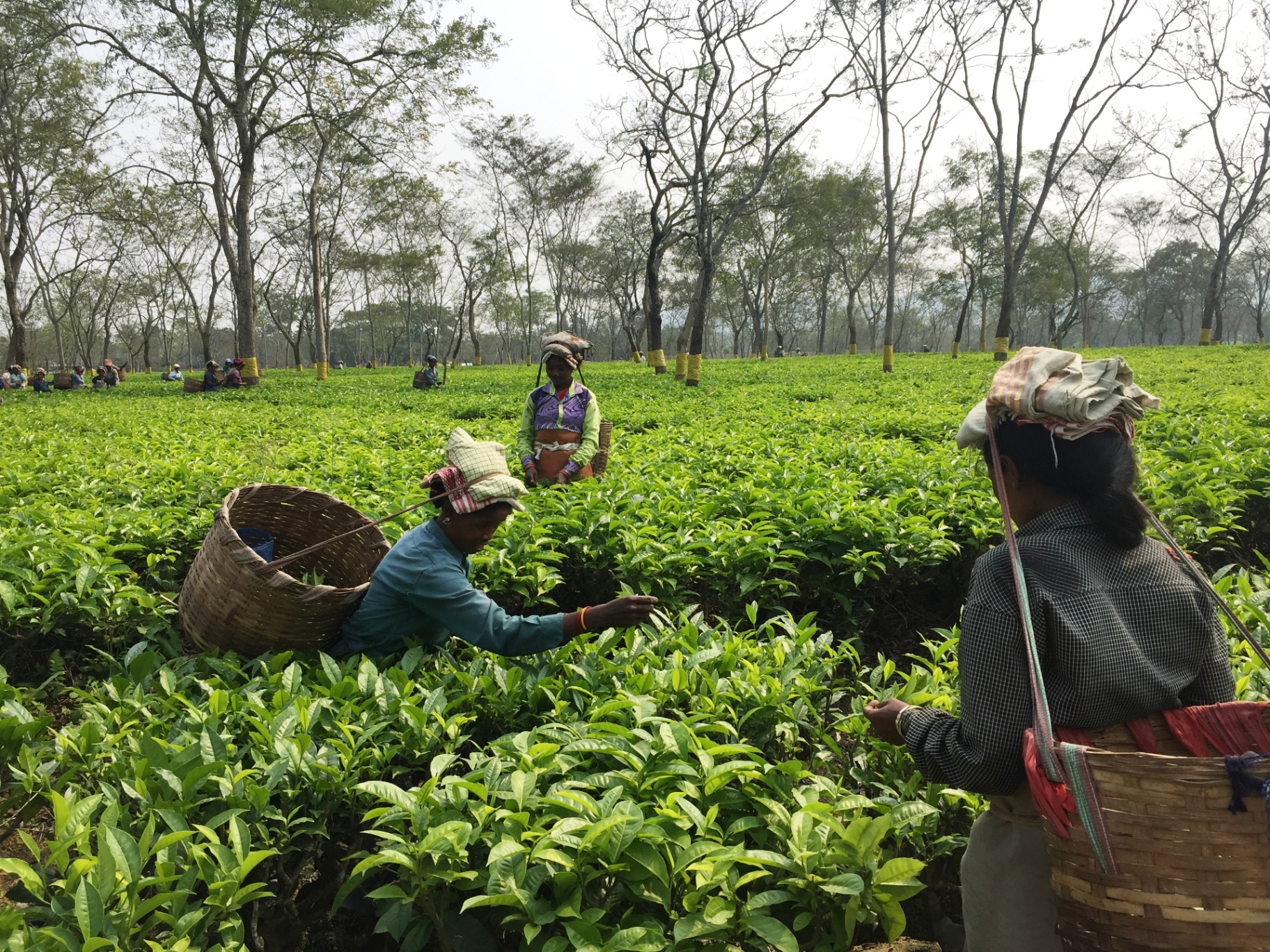
Dawn plucking with the women who lead the gardens; full factory walks through withering, rolling, oxidation and firing; a senior planter-led tasting flight of first, second and autumn flushes; Singpho long-house visits at Margherita where Assam tea began; and the Ahom kingdom monuments at Sivasagar in between.

04

Combining tea with wildlife and culture

Most journeys pair tea with Kaziranga (two hours from Jorhat), Majuli (one hour by ferry from Jorhat), Hoollongapar Gibbon Sanctuary or onward into Upper Assam's Mising and Singpho villages. Eight days is the right span for tea-plus-wildlife; eleven for tea-plus-Majuli-plus-Kaziranga.

05

Season and timing

October–April for clear skies and comfortable bungalow weather. First flush is March–April; second flush (the famous Assam character) is May–June; autumn flush is October–November — that is the ideal photography window in the gardens.

Featured photography

Tea garden workers harvesting fresh leaves in Assam
Tea plucking in Upper Assam — the defining landscape of the planter's route.
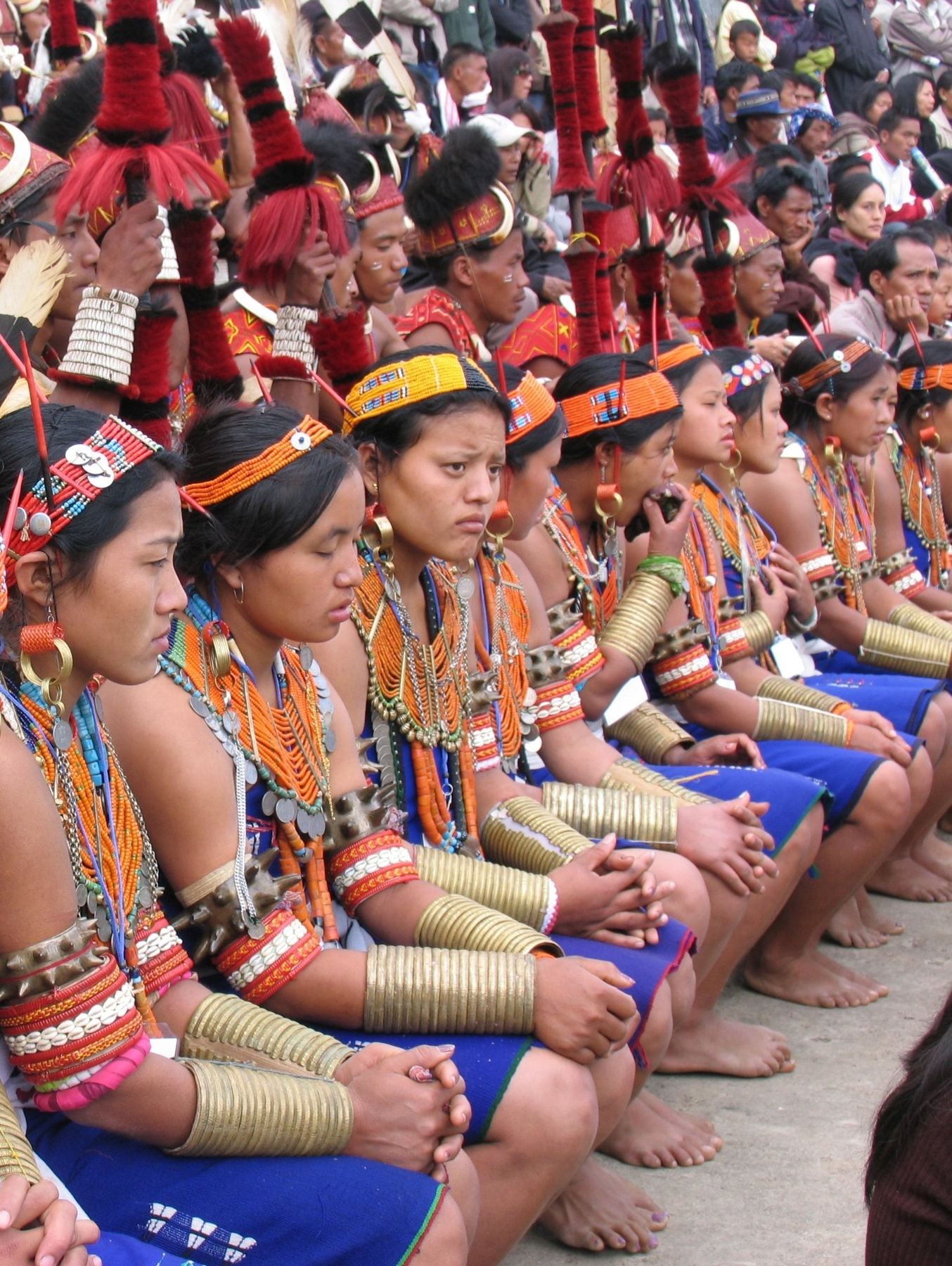
Guests welcomed by local hosts in traditional Assamese attire
Tea journeys deepen when they open outward into Assamese hospitality and local hosting.
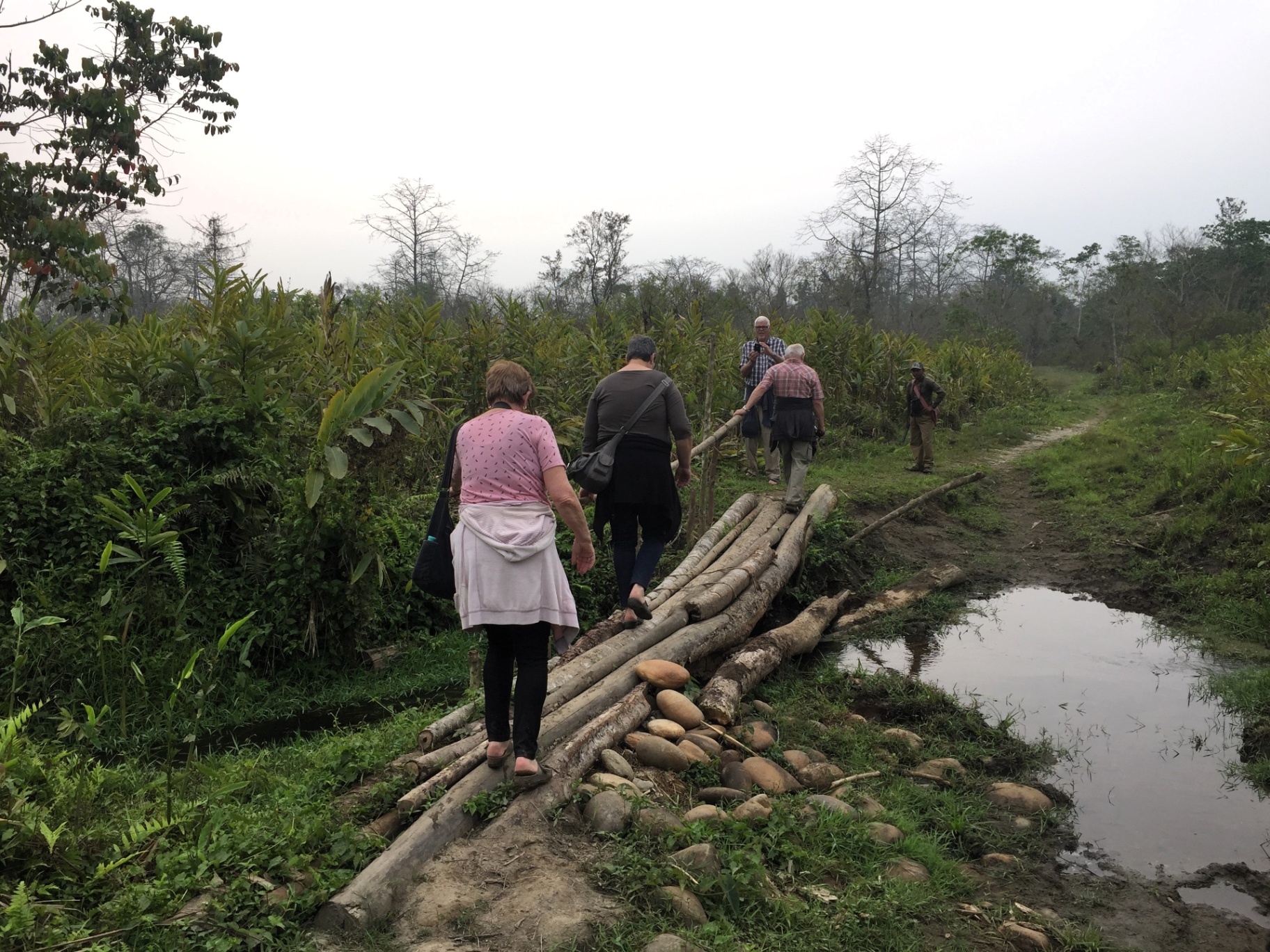
Guests walking across a rural bamboo bridge in the Assamese countryside
Estate-edge walks turn plantation history into a lived landscape.

Destination Guides

Plan a Private Journey
Email Us