Knowledge Hub
Cuisine of Northeast India
Fermented, smoked, foraged — the region's edible archive.
Eight states, eight distinct food cultures. Fermented bamboo shoot and axone in the Naga hills, pork with dry fish in Mizoram, kelli chana and eromba in Manipur, smoked meats and jadoh in Meghalaya, and the mustard-and-fish fine dining of Ahom Assam.
History & background
The region's cuisine reflects its migrations. Tibeto-Burman fermentation traditions, Indo-Aryan rice culture from the Brahmaputra plains, and Southeast Asian smoke-and-chilli techniques from across the Burma border layer over each other.
Geography
River-valley cuisines (Assamese, Manipuri) rely on fresh-water fish and mustard. Hill cuisines (Naga, Mizo, Khasi) depend on smoked and fermented meats. Highland Monpa cuisine uses buckwheat, cheese and yak butter.
Cultural & ecological significance
Every dish carries origin. Learn one and you learn a village.
Highlights
The essential list.
- ◆Assamese thali — masor tenga, khar, aloo pitika
- ◆Naga axone (fermented soybean) and smoked pork
- ◆Manipuri eromba and chak-hao kheer
- ◆Khasi jadoh, doh khleh and tungrymbai
- ◆Mizo bai and vawksa rep (smoked pork)
- ◆Monpa thukpa, momo and thenthuk in Tawang
Explore in depth
Chapters within this hub
Assamese cuisine
Khar, tenga, pitika — the four-pillared Ahom kitchen.
Naga cuisine
Axone, anishi, smoked pork with bamboo shoot.
Khasi cuisine
Jadoh, doh khleh, tungrymbai — Meghalaya's meat-and-rice culture.
Manipuri cuisine
Eromba, singju, chak-hao — Meitei plating and fermentation.
Monpa cuisine
Tawang's Tibetan-Buddhist kitchen — thukpa, momo, buckwheat pancakes.
Best time to visit
Anytime — but harvest and festival months (October–February) show cuisine at its ceremonial best.
How to reach
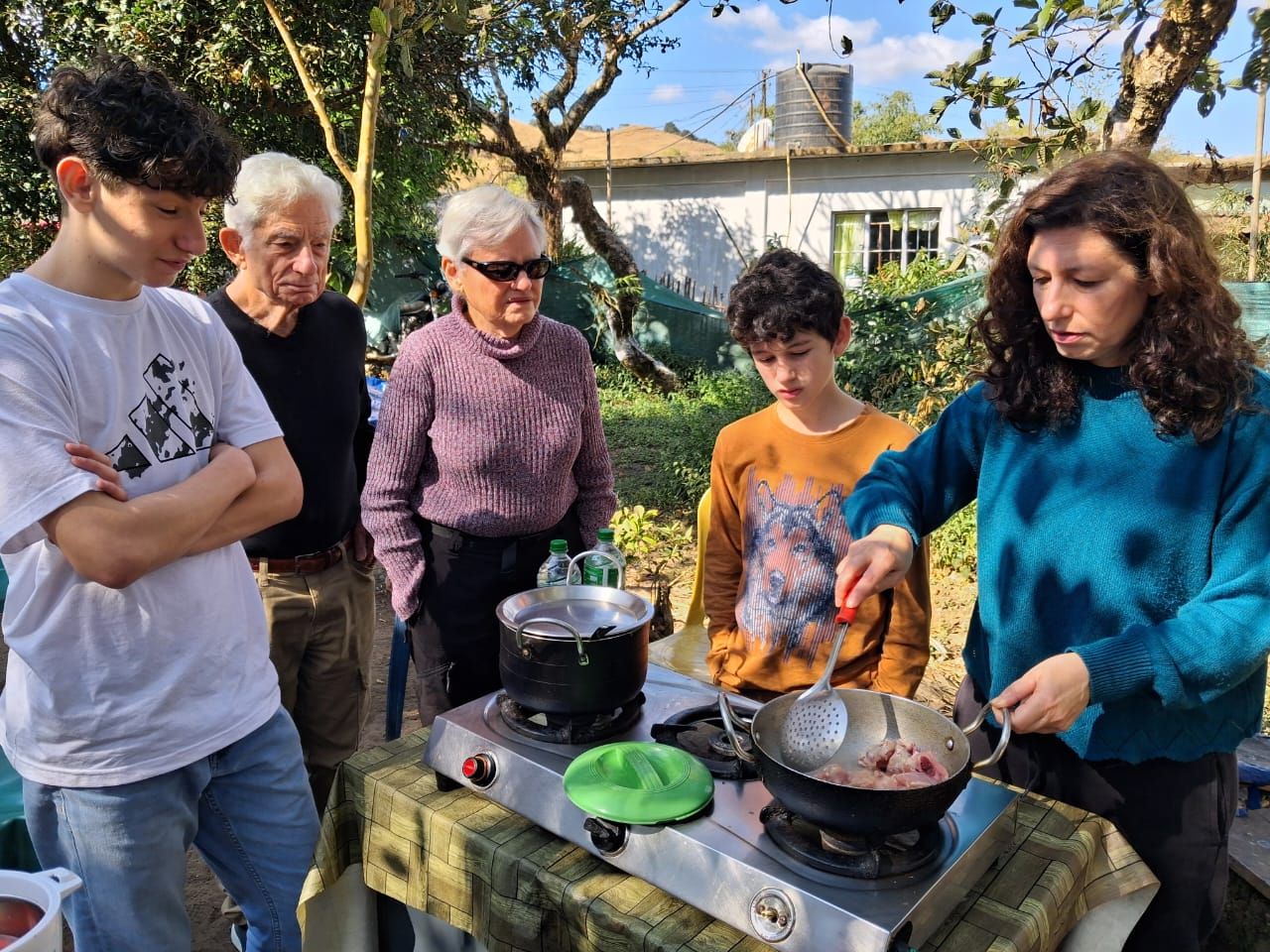
Culinary journeys are structured around home kitchens rather than restaurants. Living Roots arranges hosted meals in vetted homestays across all eight states.
Travel tips
- ·Vegetarian options exist everywhere but require notice.
- ·Bhut jolokia (ghost pepper) is genuinely one of the world's hottest chillies. Sample cautiously.
- ·Bring your own reusable water bottle and avoid single-use plastic in villages.
Frequently asked
Common questions
Is Northeast Indian food very spicy?+
It can be, but home cooks moderate for guests on request. Naga and Mizo cuisines rely more on smoke and ferment than raw chilli heat.
Can vegetarians travel comfortably?+
Yes — Assamese and Manipuri cuisines have deep vegetarian traditions.
Related destinations
Design your expedition
Bring this journey to life.
Living Roots designs private, expedition-led journeys around the themes on this page. Tell us your season and your interests — we will write back, slowly.