Knowledge Hub
Festivals of Northeast India
The living calendar of the eastern Himalaya.
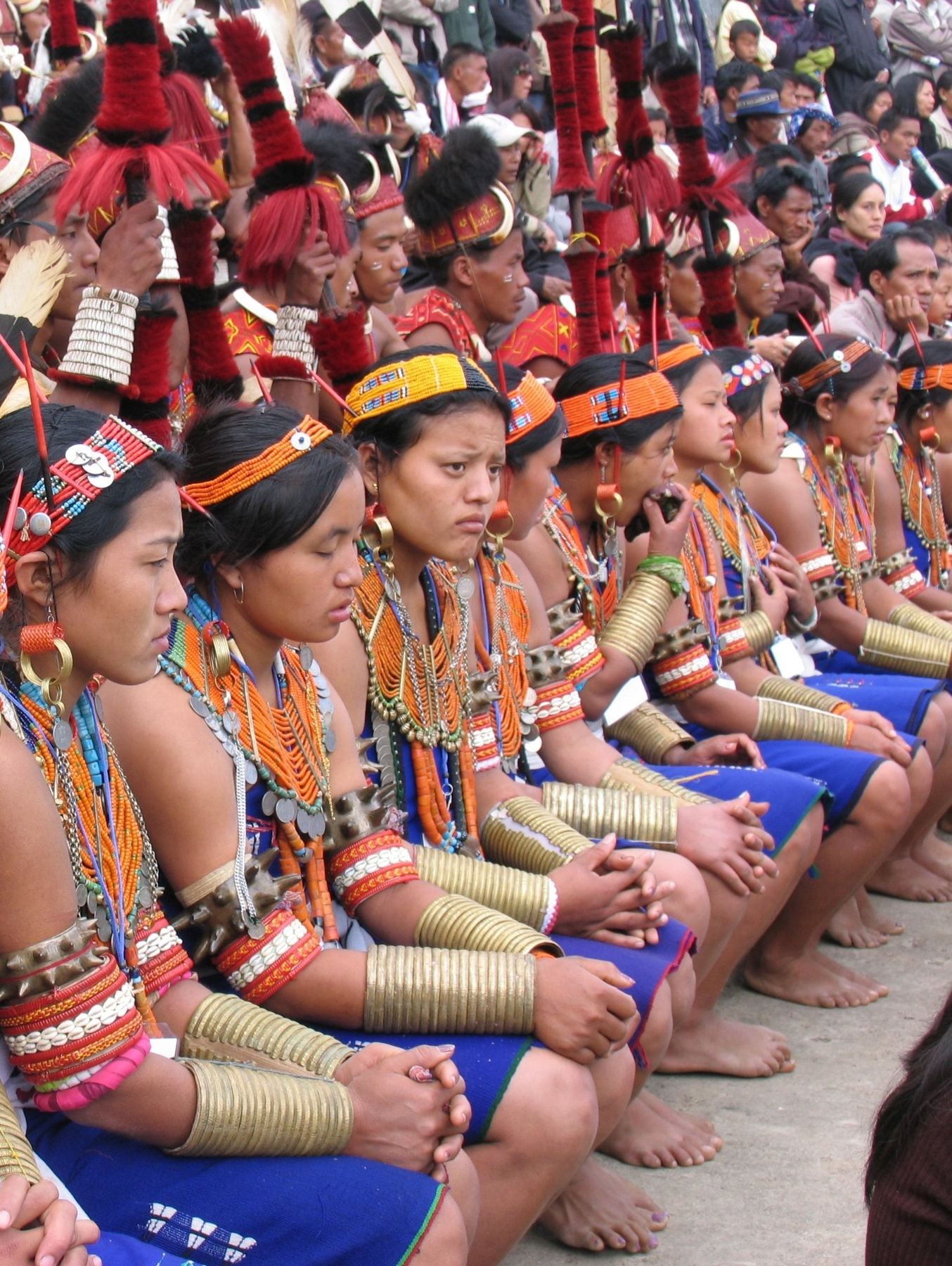
Northeast India's festivals are not performances staged for outsiders — they are working ceremonies that mark harvests, ancestor rites, headhunting memory, monastic new years and the turning of the agricultural calendar. Each of the eight states carries its own rhythm, from the December Hornbill gathering in Nagaland to the water-torch nights of Chapchar Kut in Mizoram.
History & background
Most tribal festivals predate written record, rooted in animist cosmologies and shifting-cultivation cycles. British-era chronicles from the 19th century first documented them, and post-Independence state tourism boards later formalised showcase editions (Hornbill 2000, Sangai 2010) that now sit alongside the older village-level rites still practiced privately.
Geography
Festivals cluster by ecology: monastic Losar and Torgya in the high Buddhist belts of Tawang and West Kameng; harvest and warrior festivals across the Naga, Konyak, Wancho and Nyishi hills; Bihu on the Brahmaputra plains; Wangala among the Garo of Meghalaya; and Sangai in Manipur's Loktak wetlands.
Cultural & ecological significance
For the communities themselves, festivals reaffirm clan lineage, oral history and land rights. For travellers, they are the single clearest window into cosmologies that have never been written down — attended respectfully, they are a privilege, not a spectacle.
Highlights
The essential list.
- ◆Hornbill Festival (Nagaland, 1–10 December)
- ◆Aoling & Aoleang of the Konyak (Nagaland/Arunachal, early April)
- ◆Ziro Music & Myoko of the Apatani (Arunachal)
- ◆Torgya & Losar at Tawang Monastery
- ◆Wangala 100-Drums Festival (Garo Hills, Meghalaya)
- ◆Sangai Festival (Manipur, late November)
- ◆Chapchar Kut (Mizoram, early March)
- ◆Bihu — Rongali, Kongali and Bhogali (Assam)
Explore in depth
Chapters within this hub
Hornbill Festival — Nagaland
The ten-day gathering of seventeen Naga tribes at Kisama Heritage Village.
Aoling — Konyak New Year
The spring festival of the last tattooed headhunters of Longwa and Mon.
Ziro Music Festival & Apatani Myoko
Where indigenous ritual meets the country's most respected outdoor music gathering.
Wangala — Meghalaya
The Garo hundred-drums harvest festival in the western hills.
Sangai — Manipur
Loktak Lake's floating festival of the endemic brow-antlered deer.
Best time to visit
October to April concentrates the largest festivals. December alone holds Hornbill, Torgya and multiple Konyak observances. Spring (March–April) brings Aoling and Chapchar Kut; summer belongs to Buddhist gewa rites in the higher valleys.
How to reach
Fly to Dibrugarh, Dimapur, Guwahati, Imphal or Tezpur; onward road transfers reach the principal festival centres. Foreign guests must follow the current PAP and registration requirements for the state and route. Living Roots assists confirmed package guests with documentation and coordinates applications through applicable authorised channels.
Travel tips
- ·Ask before photographing elders, sacred objects or interior morung spaces.
- ·Dress modestly; avoid stepping over ceremonial items or fires.
- ·Book two seasons in advance for Hornbill and Aoling — village homestays are limited.
- ·Bring cash — festival grounds are often outside mobile-banking range.
Frequently asked
Common questions
Which festival is best for a first visit?+
Hornbill in Nagaland is the most accessible and covers 17 Naga tribes under one campus at Kisama. For a deeper village experience, choose Aoling in the Konyak hills or Myoko in Ziro.
Are festivals open to foreign travellers?+
Many are, subject to the current permit and registration rules for the state and route. Living Roots assists confirmed package guests with permit documentation and coordinates the process through applicable authorised channels.
How far in advance should we plan?+
For December departures, six to nine months. Homestays and internal flights fill first.
Related destinations
Design your expedition
Bring this journey to life.
Living Roots designs private, expedition-led journeys around the themes on this page. Tell us your season and your interests — we will write back, slowly.