Knowledge Hub
Photography Locations in Northeast India
Ceremonial portraiture, high-altitude light and rainforest interiors.
For serious photographers, the Northeast offers what no other region in India can — tattooed elders, working monasteries at dawn, rhinos in mist and the last generation of ceremonial textile-wearers. Living Roots designs photography expeditions with time in one place, not itineraries in a coach.
History & background
Photographic work in the region began with colonial ethnographers (John Butler, Ursula Graham Bower) and continues today through National Geographic contributors, textile historians and independent long-form photographers.
Geography
Portraiture belts (Konyak country, Ziro), monastic light (Tawang, Bomdila), rainforest and macro (Namdapha, Eaglenest), and river-and-mist (Brahmaputra, Umngot).
Cultural & ecological significance
This is one of the few places in India where tattooed and pierced elders of the older generation can still be respectfully photographed, always with consent and through the families we work with.
Highlights
The essential list.
- ◆Longwa & Shangnyu — Konyak portraiture
- ◆Ziro — Apatani facial-tattoo portraits and rice-field abstracts
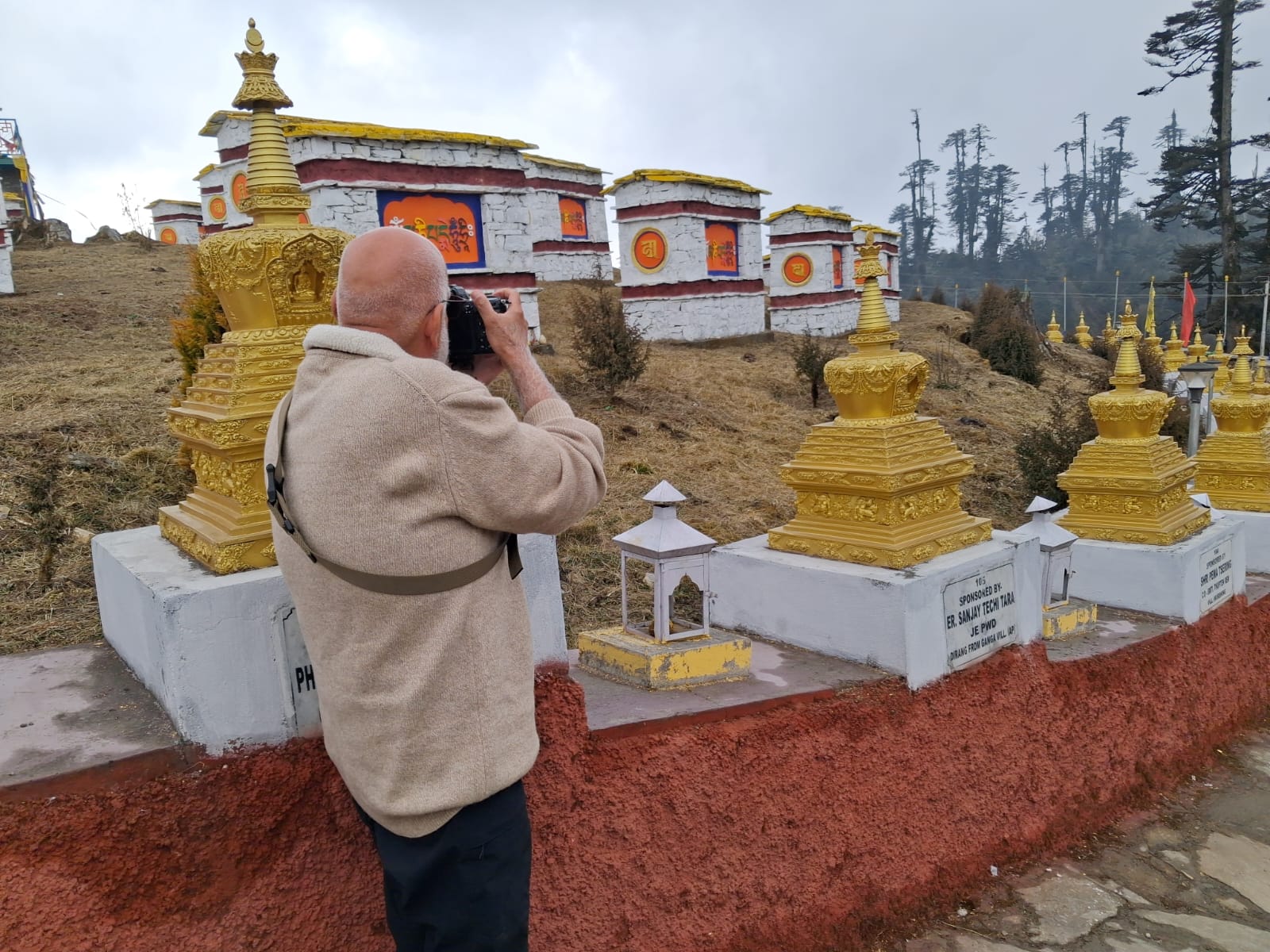
- ◆Tawang & Urgelling — monastic dawn light
- ◆Kaziranga & Nameri — wildlife and river-mist
- ◆Loktak Lake — the phumdi rings from above
- ◆Umngot at Dawki — clear-water aerial and reflection
- ◆Living root bridges, Nongriat — long-exposure
Explore in depth
Chapters within this hub
Konyak portraiture — Longwa & Shangnyu
The last tattooed headhunters of the Naga hills.
Tawang monastic dawn
Butter lamp, incense and 400 chanting monks.
Kaziranga rhino & mist
River-fog and grassland rhino silhouettes at first light.
Ziro rice-field abstracts
Apatani wet-rice terraces in April water reflection.
Loktak Lake phumdi
Manipur's floating vegetation islands seen from the ridge above.
Best time to visit
Late October to early April for clarity and elder access. Aoling (April) and Hornbill (December) are the two peak ceremonial windows.
How to reach
Photography journeys are logistics-heavy. Living Roots coordinates trip logistics and assists confirmed package guests with applicable permit documentation through authorised channels; access remains subject to local permission and current rules.
Travel tips
- ·Every portrait requires consent. Never point a lens at an elder without introduction.
- ·Bring dry-cabinet-style desiccant packs for humidity above Nagaland's timberline.
- ·Drone use is restricted across most of the Northeast — check permits.
Frequently asked
Common questions
Do you offer photography-only expeditions?+
Yes — small groups of 4–6 with time built for dawn and dusk in every location.
Can we hire a local guide familiar with photographers?+
Yes, this is our core practice.
Related destinations
Design your expedition
Bring this journey to life.
Living Roots designs private, expedition-led journeys around the themes on this page. Tell us your season and your interests — we will write back, slowly.