Knowledge Hub
Wildlife Sanctuaries of Northeast India
Twenty sanctuaries protecting the region's endemic fauna.
Beyond the seven headline national parks, Northeast India has more than twenty wildlife sanctuaries protecting endemic and threatened species — hoolock gibbon, golden langur, pygmy hog, western hoolock gibbon and the elusive red panda.
History & background
Most sanctuaries were notified between 1974 and 1998 as scientific understanding of the region's endemism grew. Community reserves (Khonoma, Kokrebellur) added a newer, village-led conservation model.
Geography
The reserves span altitude gradients from the Brahmaputra plains (Pobitora, Panidihing) to the Eastern Himalayan foothills (Sessa Orchid, Eaglenest) and the Indo-Burma rainforests (Dampa, Mehao).
Cultural & ecological significance
Together with the national parks, these sanctuaries make the Northeast the single most biodiverse region in the Indian subcontinent — and one of the last strongholds for hoolock gibbon and golden langur.
Highlights
The essential list.
- ◆Hoollongapar Gibbon Sanctuary — India's only ape
- ◆Sessa Orchid Sanctuary — 200+ orchid species
- ◆Eaglenest Wildlife Sanctuary — birding legend
- ◆Dampa Tiger Reserve — Mizoram's rainforest
- ◆Mehao Wildlife Sanctuary — Arunachal's Idu Mishmi country
- ◆Chakrashila — golden langur stronghold
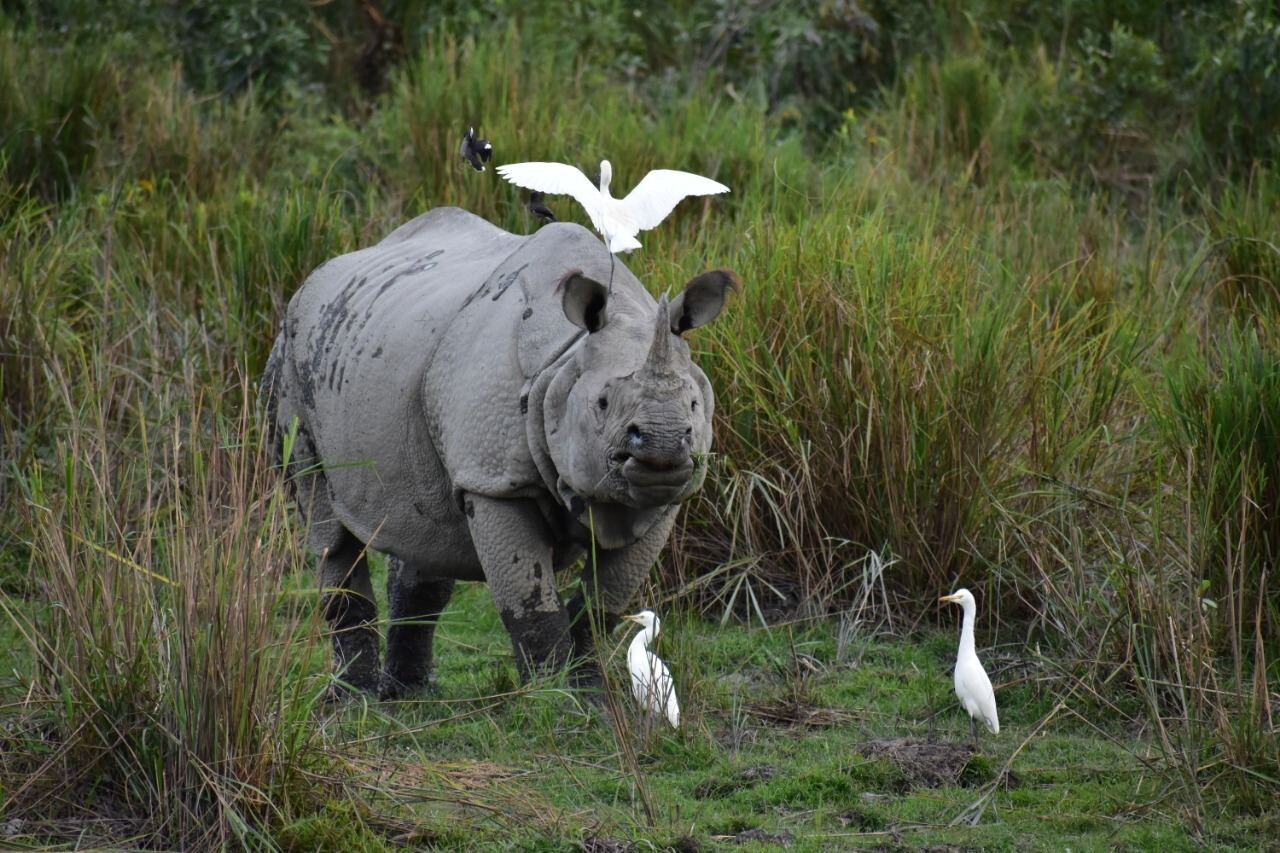
- ◆Pobitora — highest rhino density in the world
Explore in depth
Chapters within this hub
Hoollongapar Gibbon Sanctuary
The last home of India's only ape, the western hoolock gibbon.
Eaglenest Wildlife Sanctuary
600+ bird species including the Bugun liocichla, first described here in 2006.
Dampa Tiger Reserve
Mizoram's western rainforest, camera-trap capital.
Sessa Orchid Sanctuary
One of India's richest orchid reserves.
Pobitora Wildlife Sanctuary
Weekend rhinos, an hour from Guwahati.
Best time to visit
November to April across almost every reserve.
How to reach
Most sanctuaries are 2–5 hours from a regional airport (Jorhat, Dibrugarh, Guwahati, Aizawl, Tezpur, Itanagar's Naharlagun railhead).
Travel tips
- ·Some reserves close specific zones seasonally for breeding.
- ·Community reserves (Khonoma, Kokrebellur) require prior coordination.
- ·Dampa's terrain is demanding — allow acclimatisation.
Frequently asked
Common questions
What is the difference between a national park and a sanctuary?+
Both protect wildlife; sanctuaries allow certain community rights (grazing, minor forest produce) that parks do not.
Can we combine parks and sanctuaries?+
Yes — a classic circuit is Kaziranga + Hoollongapar + Nameri over 8 days.
Related destinations
Design your expedition
Bring this journey to life.
Living Roots designs private, expedition-led journeys around the themes on this page. Tell us your season and your interests — we will write back, slowly.